
Ishinomaki Hen-ei

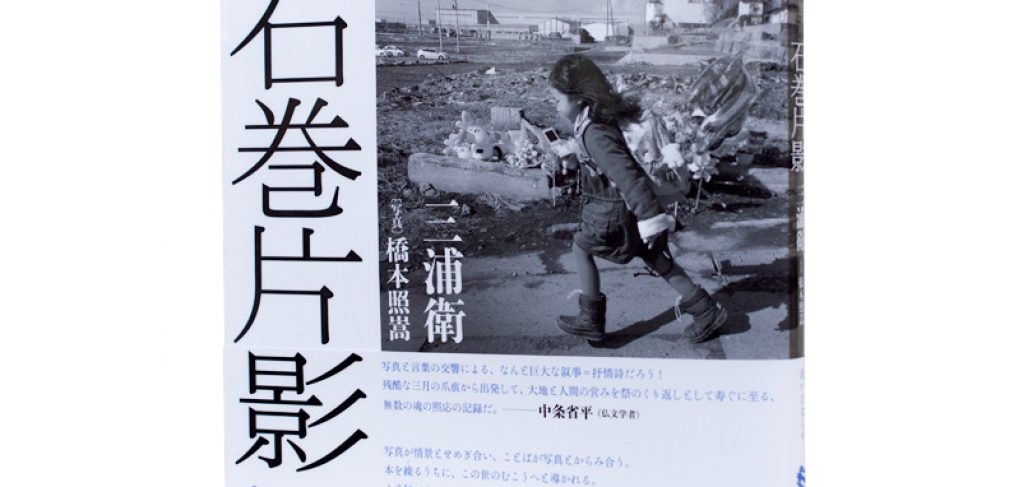
Ishinomaki Hen-ei

  • Mamoru MIURA, Shoko HASHIMOTO / 2017.2
  • JPY 2,500 / A4 extensional size, hardcover, 120 pages
  • bookdesign: Jun KATSURAGAWA

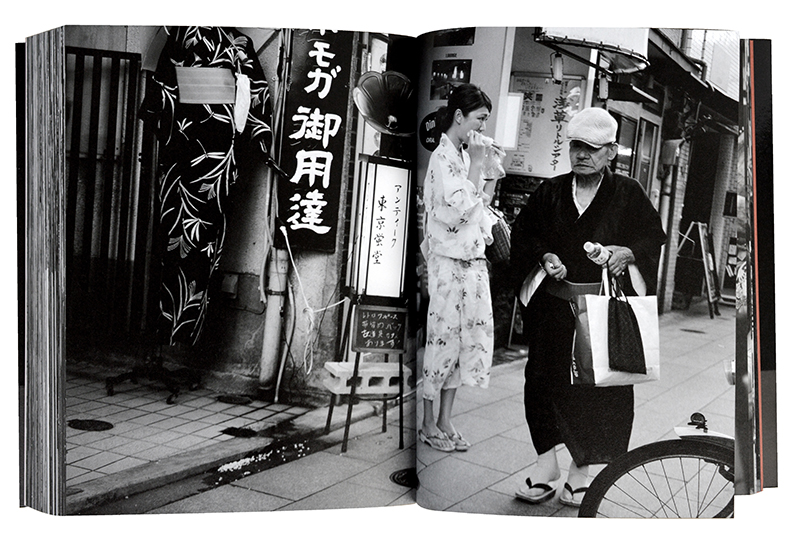
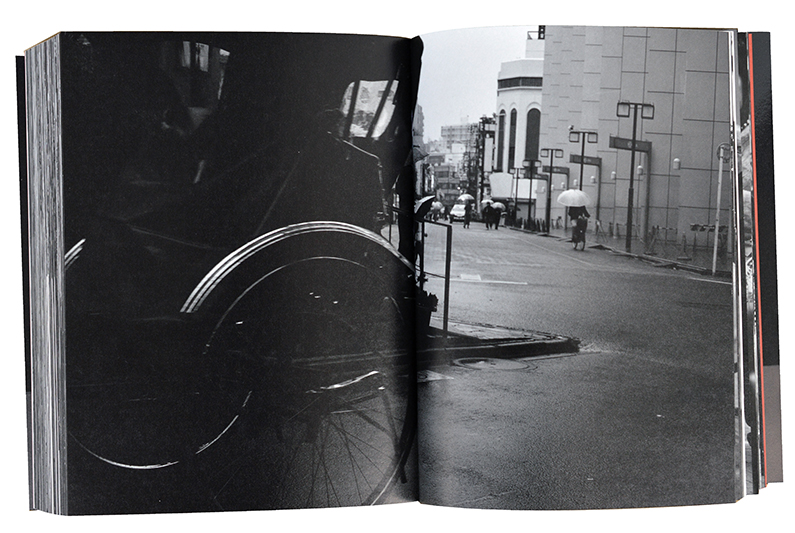
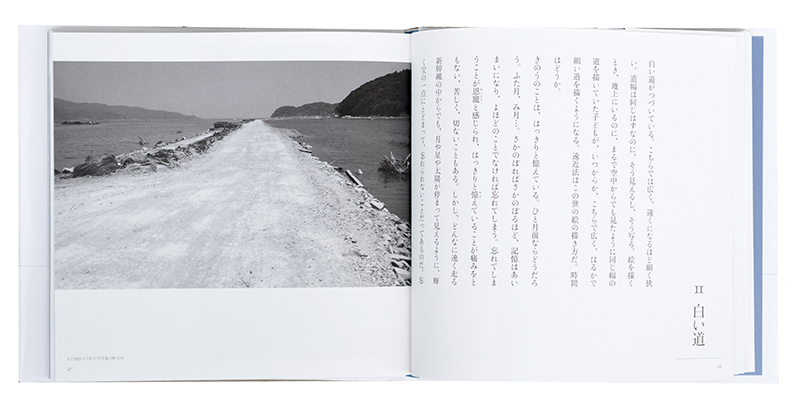
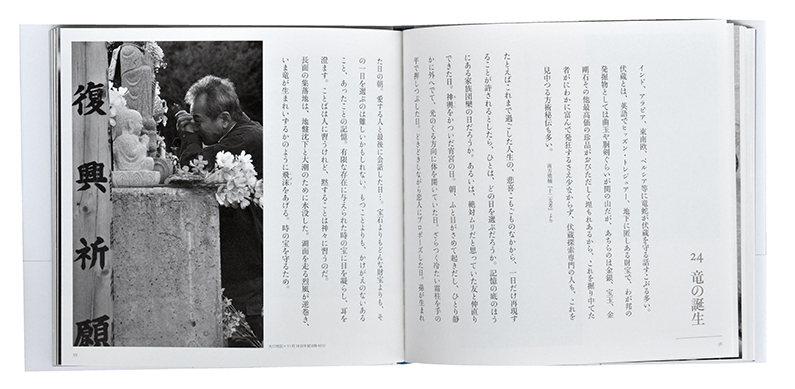
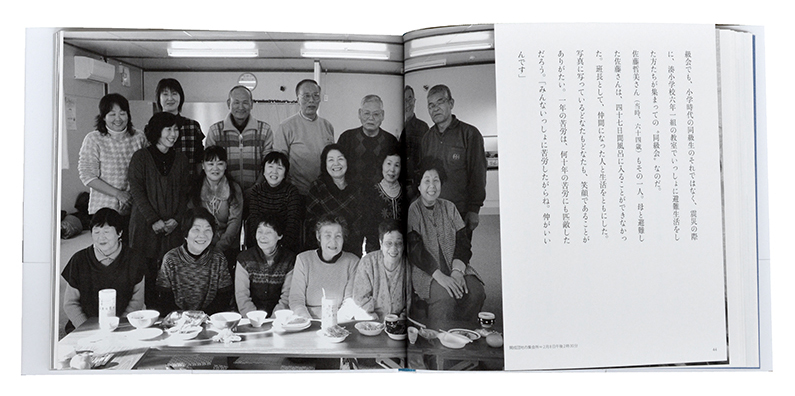
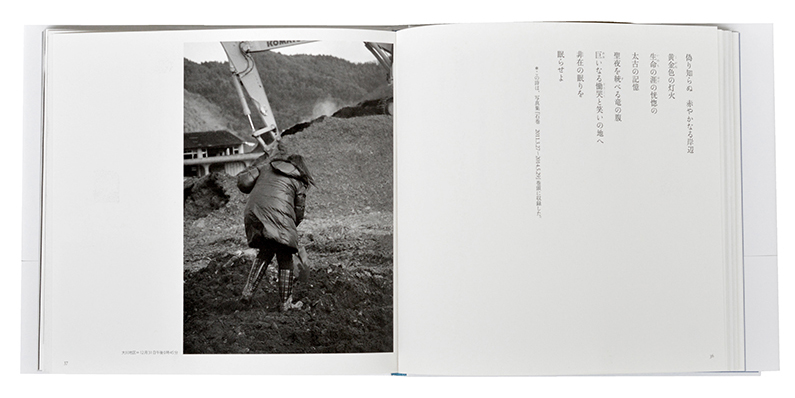
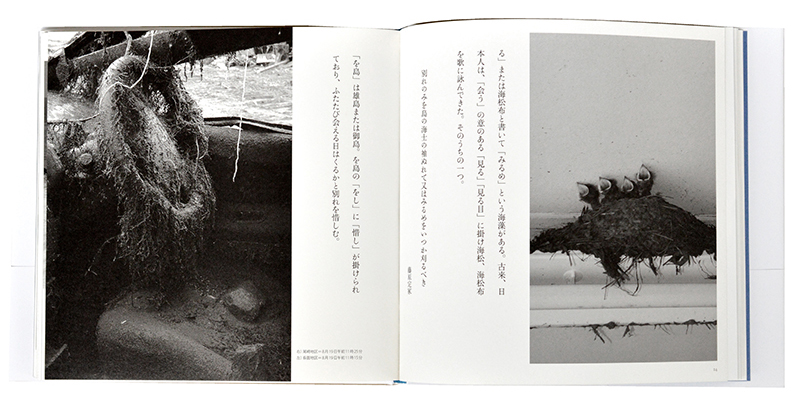
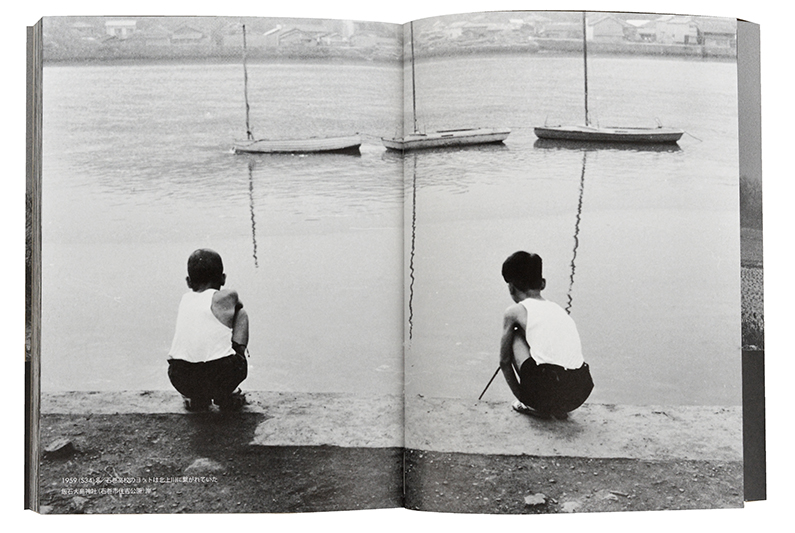
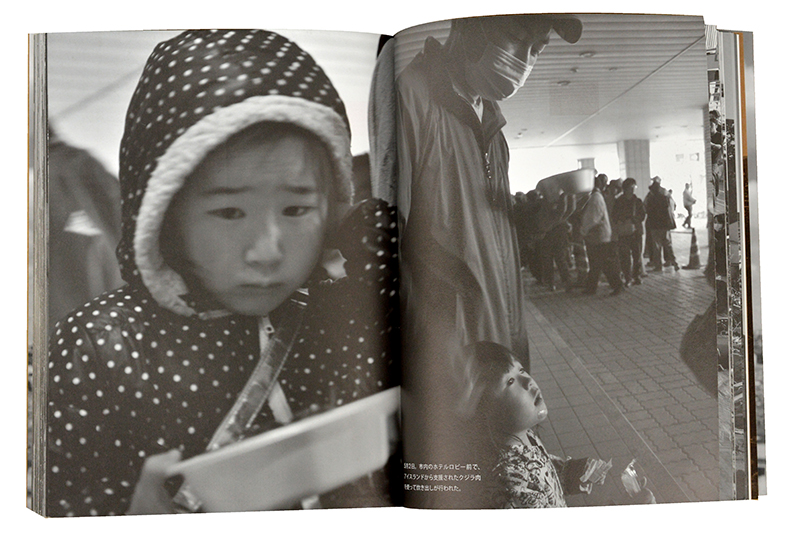
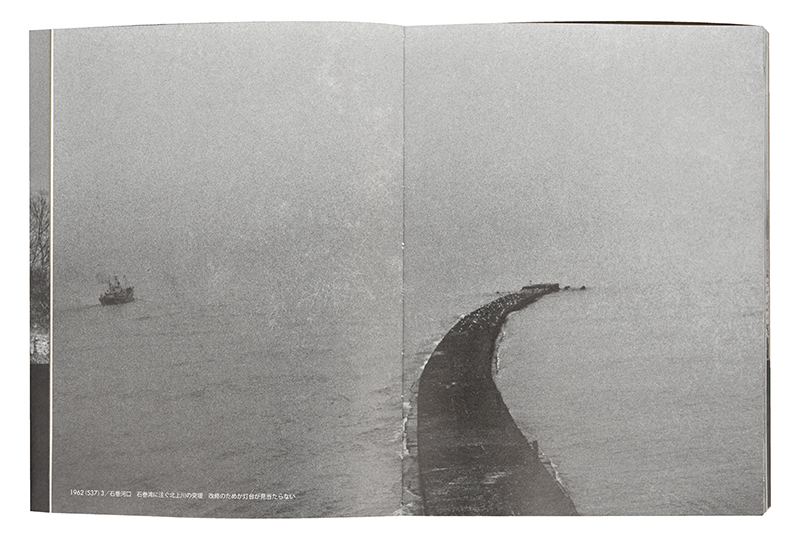
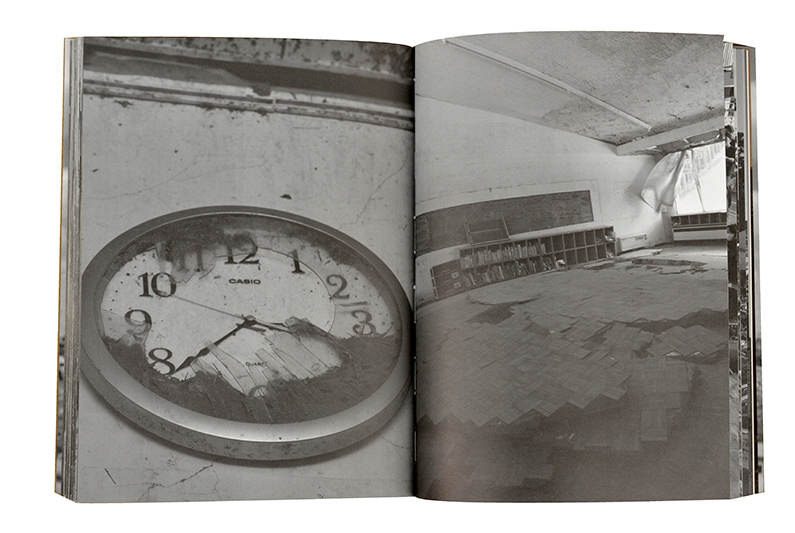
Photographing Ishinomaki after the Great East Japan Earthquake. 75 photos, poetry and essay.

What a huge epic-lyric poem, a symphony of photographs and words! This is a record of the illuminations of countless souls, departing from the cruel claw marks in March and arriving to the celebration of the repeated activities between Gaia and human.
– Shohei Nakajyo (French literature)

Photographs intertwine with scenes, and words with photos. Flipping the pages leads you to another side of the world. Then, you will notice that. Being connected to over there is the way of prayer after the disaster.
– Hiroshi Hasegawa (philosopher)
(ISBN 9784861105302)

Table of contents

1  Mierumono to Mienaimono
2  Shigatsu ha…
3  Hikari he
4  Tanagokoro
5  Chinmoku no Taigyo
6  Helpless
7  Inori
8  “Odazumokko” tachi no Furusato
9  karra-n na Warai, Taigi no Nemuri
10  Mirume
11  Shiroi Michi
12  Syaraku – Ware to Nanji no Taiwa no Chihei he
13  Ishi ha Kudakezu, Senkin no Tama wo Tsugu
14  Kamome
15  Kodai kara no Rei ni Kiku
16  Hashi wo Wataru
17  Kurou wo Tomoni
18  Hikari no Sazanami
19  Myouzin-Maru
20  Chikara no Yowaku natta Ten
21  Bi no Yadori
22  Osanago
23  Fukumimi
24  Ryu no Tanjo
25  Hibi no Shinwa
26  Milky Way
27  Hatsuhi
28  Veil
29  Nagagutsu Seven
30  Ki to Matsuri
31  Uta wo Wasurenu
32  Kurashino naka de koso
33  Hi to Hi, Uchi to Soto to
34  Shigusa to Manazashi
35  Gogatsu no Uta wo Matsu
36  Hukaki Sekai yori
37  Wagami Hitotu
38  Baka Shashinka
39  Kasetsu
40  Daichi no Uta
41  Taue Uta ga Kikoeru

Authors

Mamoru MIURA
Born in Ikawa, Akita in 1957. He established Shumpusha Publishing in 1999. He is the author of a company history “Syuppan ha Kaze-makase”, essay “The home of my father” and poetry “chameleon” (Shumpusha Publishing).

Shoko HASHIMOTO
Born in Ishinomaki, Miyagi in 1939. He received the new face award of The Photographic Society of Japan for the photo collection “Goze”(Nora Publishing). He is the author of the photo collection “Ishinomaki 2011.3.27-2014.5.29” and “The Kitakami River New Edition”(Shumpusha Publishing).

Order this book
 

The Agricultural Mongols: Land Reclamation and the Formation of Mongolian Village Society in Modern China

The Agricultural Mongols

 Land Reclamation and the Formation of Mongolian Village Society in Modern China

  • Borjigin Burensain / Thomas White (trans.) / Uradyn E. Bulag (revision) /2017.2
  • JPY 6,000 / A5 size, paperback, 400 pages


Around three million Mongols ― equivalent to the population of the independent country of Mongolia ― live in the southern foothills of the Hinggan Mountains of eastern Inner Mongolia, China. They do not conform to the typiical image of Mongols as nomadic pastoralists, but instead cultivate land and live in compact villages. This book describes the formation of a Mongol agricultural village over the course of a 100-year period from the late nineteenth century, and provides a comprehensive analysis of this understudied subject. As the product of the compromise between the ‘banner system’ that typified nomadic Mongol society, and the mass immigration of Han Chinese peasants to the region, the village exemplifies the transformations which China’s multi-ethnic periphery has experienced in the modern era.
(ISBN 9784861105432)

On hearing the words “Mongolia” and “Mongols,” people might imagine nomads galloping across an endless steppe. However, such a stereotypical perspective of Mongolia is inappropriate in historical research. In the 20th century, due to Han Chinese colonization, Mongolian agricultural villages were formed in the eastern region of Inner Mongolia. In this book, using archival material. results of surveys conducted by the Japanese during the Manchukuo period, and data from his own fieldwork, Dr. Brensain describes the formation of the Mongolian agricultural village and its structure. This volume clarifies numerous hitherto unresolved questions, and I believe it also provides several useful leads in studying other issues in Chinese studies. It is my pleasure to recommend this book.
Tatsuo NAKAMI (Tokyo University of Foreign Studies)

For decades scholars have debated the relationship between farmers and pastoral nomads. Now professor Burensain reveals an unexpected part of this perennial topic: how sedentarising herders and displaced migrant farmers created a new agricultural society in eastern Inner Mongolia, one that is today the largest concentration of ethnic Mongols in the world. His richly documented account illuminates the complex dynamics of ethnic Mongols in the world. His richly documented account illuminates the complex dynamics of social change during the last century on the North China frontier. Anyone interested in China’s minorities, the future of nomadism, and  the tremendous vitality of Mongolian culture should read this book.
Christopher P. Atwood (University of Pennsylvania)

Who are the Mongols? This sounds like a redundant question, because they are universally known to be the paragon of the pastoral nomad. But nothing could be further from the truth. Reimaging Mongol identity is not an idle intellectual exercise; it means coming to terms with the internal pluralism of the Mongols, which underpins their mutual estrangement and cultural and political struggle for unity in the modern era. This book, by presenting an entirely different world of the Mongols, one of agriculture, instead of nomadism, and its painful formation as a result of Chinese settler colonialism, lays the ground for just such an endeavour.
Uradyn E. Bulag (University of Cambridge)

Table of contents

Introduction: The Diversity of the Mongols
Chapter 1:
Land reclamation and the controversy surrounding Mongol Land
Chapter 2:
Who owned Mongol land? The problem of ‘cultivated land’
Chapter 3:
Mongol princes and the reclamation of Mongol Land: Prince Ündür and the Xijia Wasteland
Chapter 4:
The reclamation of the Liaobei Wasteland and Gada Meiren’s Uprising
Chapter 5:
A history of Langbuntobu Village: the integration of a community of immigrants into regional society
Chapter 6:
Marriage networks and the formation of a multiethnic village community
Chapter 7:
The formation of agricultural Mongol villages and the coexistence of pastoralism and agriculture
Chapter 8:
Fieldwork

Author

Burensain Borjigin
Born in 1963.

Order this book
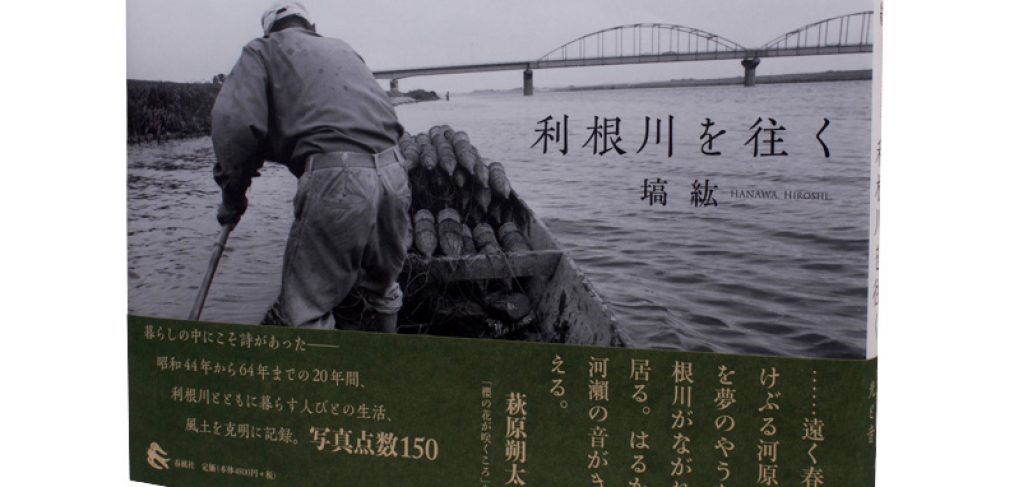
Tone-gawa wo Yuku

Tone-gawa wo Yuku

  • Hiroshi HANAWA / 2016.3
  • JPY 4,800 / A4 size landscape, hardcover, 158 pages
  • bookdesign: Jun KATSURAGAWA

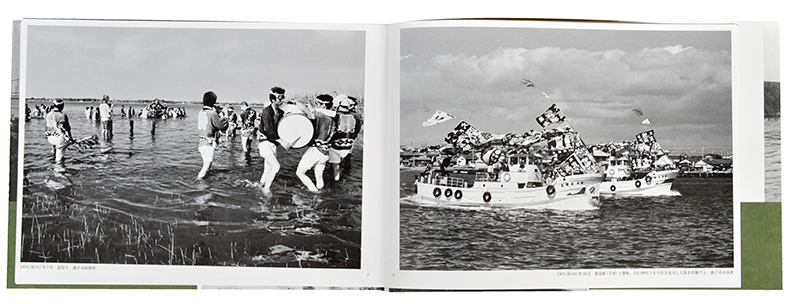
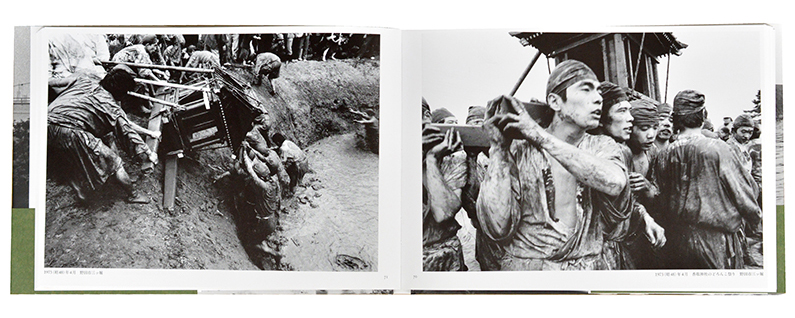
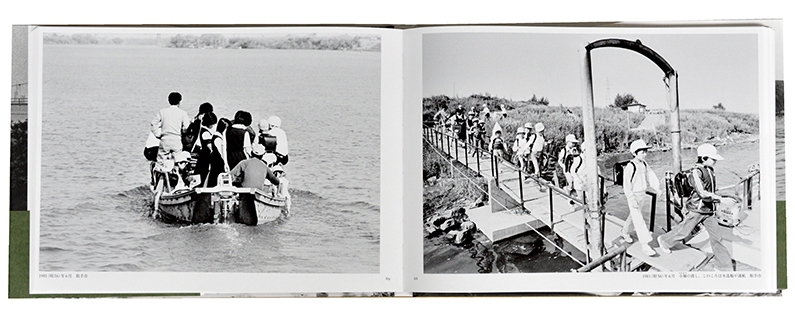
There is a poetry in life – Recording the lives and the landscape of the people living with the Tone River in 20 years from Showa 44 to 64.
150 photos. Also putting a comment on the statement of Yoshiro Ozeki in the photo collection “Kujukurihama” in this book. Yoshiro Ozeki published photo collections, “Kujukurihama” and “Whale dismantling”.
(ISBN 9784861105036)

Author

Hiroshi HANAWA
Born in Iwai, Chiba in 1946. He held a solo exhibition “Otone no Uta” in Chiba City in 1955. In 1956 he published “Tone-gawa sokou 10nen(Tone River Backward Ten Years)” in the January issue of the magazine “Chizyou” (Ie no Hikari Kyoukai). In Heisei six years, he keeps taking many photographs rooted in the area, such as photographing NHK Hi-Vision square “Waga Itoshi no Kuzyukuri Aru Syasinka no 40nen(Kujukuri of my beloved – 40 years of a certain photographer)”.

Order this book
 

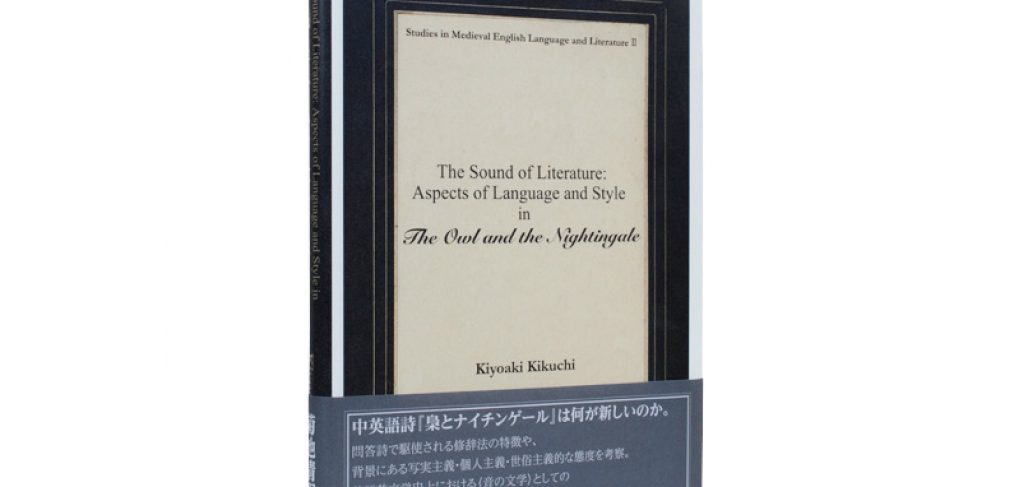
The Sound of Literature: Aspects of Language and Style in The Owl and the Nightingale

The Sound of Literature

Aspects of Language and Style in The Owl and the Nightingale

  • Kiyoaki KIKUCHI / 2016.2
  • JPY 7,500 / A5 size, hardcover, 216 pages
  • bookdesign: Haruo MATSUDA (Creative Concept)

(ISBN 9784861104886)

Table of contents

Introduction: The Historical Setting of the Poem
Chapter I: A Comparative Study of The Owl and the Nightingale and The Thrush and the Nightingale
Chapter II: A Stylistic Approach to the Characters in The Owl and the Nightingale
Chapter III: Some Aspects of Colloquial Speech
Chapter IV: Repetition in The Owl and the Nightingale
Chapter V: Aspects of Repetitive Word Pairs
Chapter VI: Conclusion: Colloquialisms, Language of Law and the Dynamics of Aural Literature

Author

Kiyoaki KIKUCHI
Professor of English philology in the Faculty of English and American Literature at Rikkyo University, Tokyo. He is the author of “Studies in Medieval English Language and Literature I: Aspects of Middle English” (2015) as well as articles on the Gawain-poet and Chaucer. Ph.D.(Osaka University).

Order this book
 

Shinpan Kitakami-gawa

Shinpan Kitakami-gawa

  • Shoko HASHIMOTO / 2015.3
  • JPY 3,500 / B5 extensional size, softcover, 224 pages
  • bookdesign: Jun KATSURAGAWA

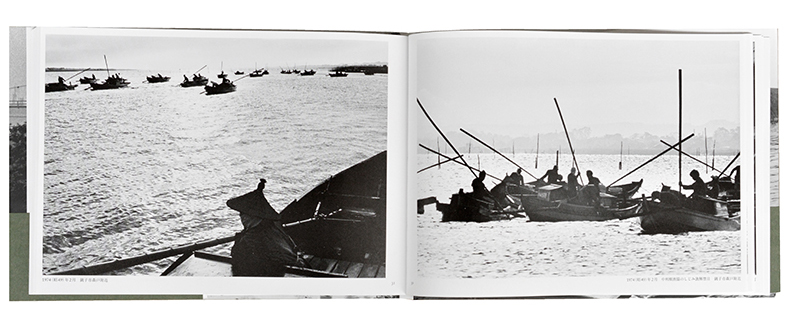
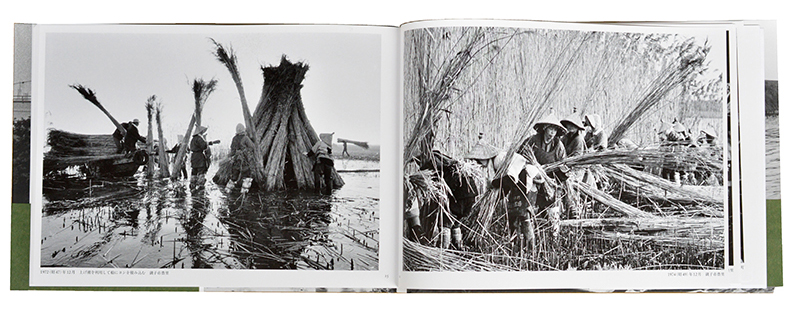
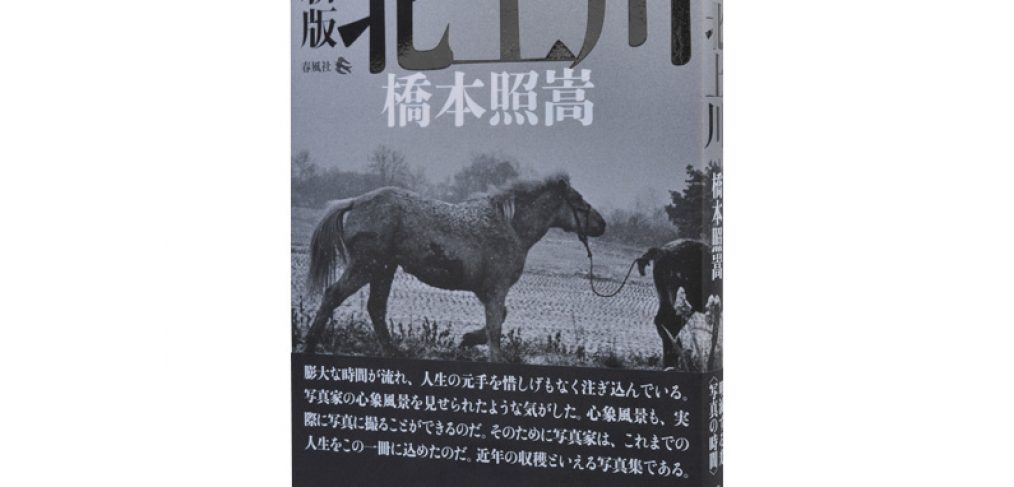
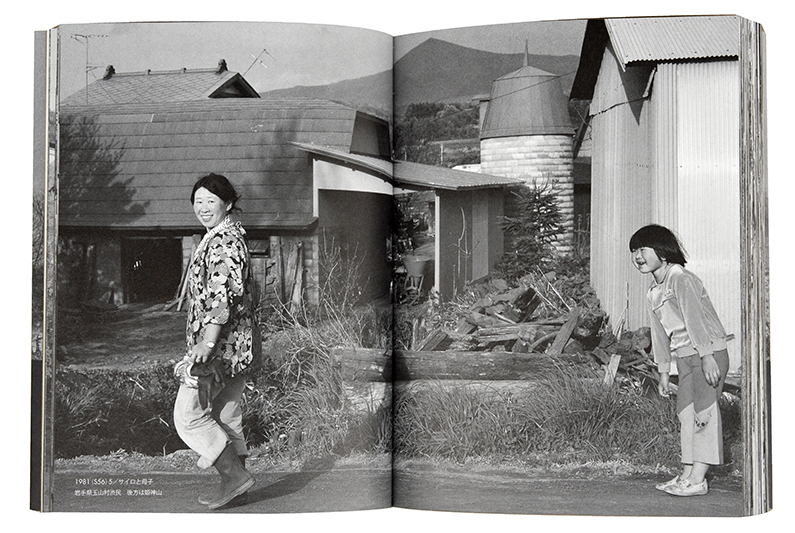
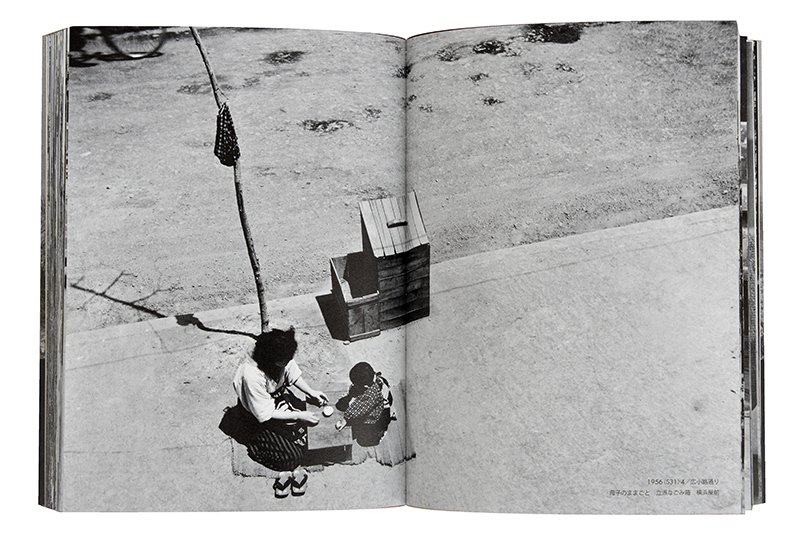
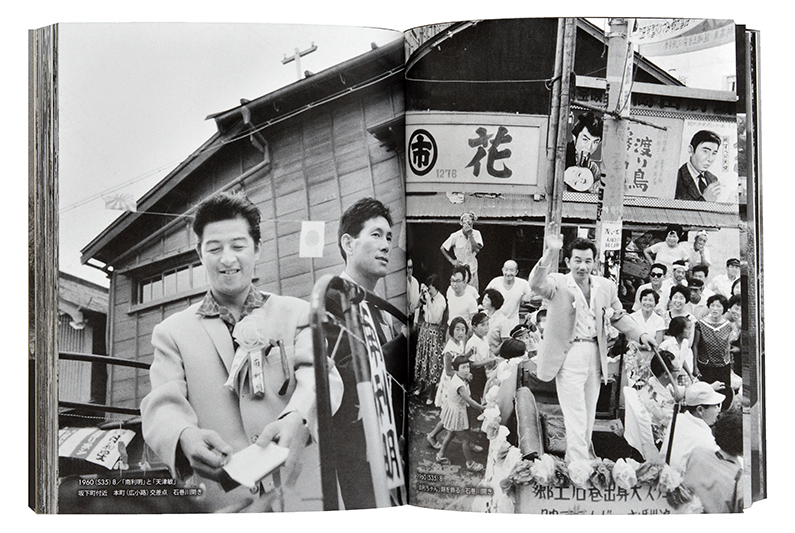
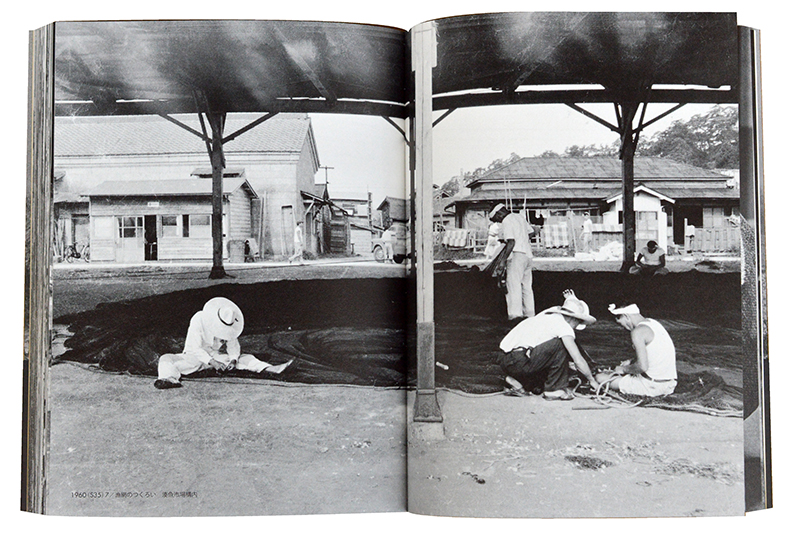
Ishinomaki city suffered severe damage in the Great East Japan Earthquake. With deep affection and insight, a portrait photographer from Ishinomaki captures the original landscape and the lives of the Showa 30 to 40’s which are now defunct. This new edition adds the information of shooting place, year and month and English translation to the old edition published in 2005.

A recommendation from Kazuhei Tatematsu (writer) “This is a collection of photographs that might be a harvest of recent”.

※Previously published: “Ishinomaki – 2011.3.27-2014.5.29”. Spent three years photographing his hometown, which was transformed by the Great East Japan Earthquake. He captured schools, evacuation centers, temporary housings and the activities of the people who lived there. A diary with 170 black-and-white photographs selected from a vast amount of films.
(ISBN 9784861104411)

Author

Shoko HASHIMOTO
Photographer. Born in Ishinomaki, Miyagi in 1939. Graduated from the Department of Photography in College of Art at Nihon University. He received the new face award of The Photographic Society of Japan for the photo collection “Goze”(Nora Publishing). He is the author of the photo collection “Nishiyama Onsen” (Zen Foto Gallery, 2014) and “Ishinomaki 2011.3.27-2014.5.29”. Recently worked overseas such as France.

Order this book
 

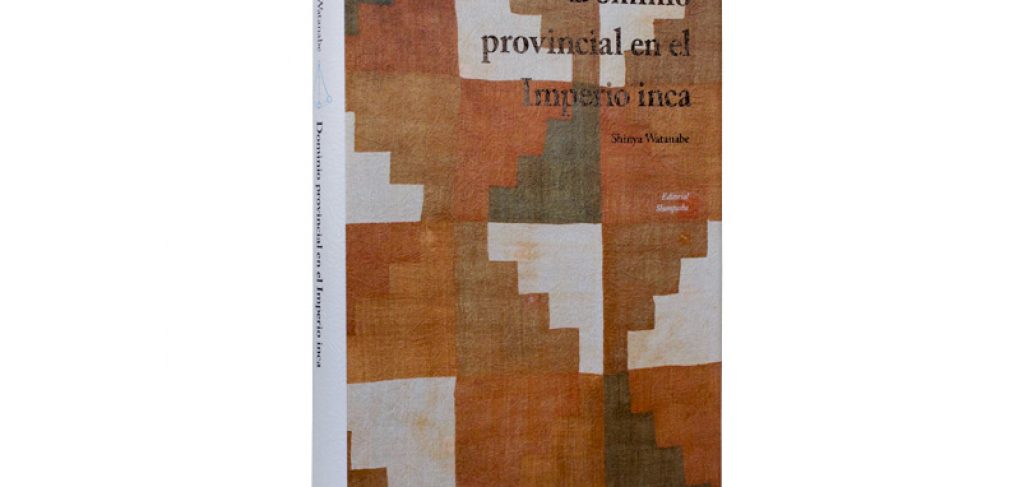
Dominio provincial en el Imperio inca

Dominio provincial en el Imperio inca

  • Shinya WATANABE / 2015.2
  • JPY 4,630 / A5 size, hardcover, 300 pages
  • bookdesign: Tamon YAHAGI

Why did the Inca Empire quickly dominate vast areas?
The Inca Empire who dominated the vast area of South America by the bombardment momentum. Focusing on a region in the Empire, clarify the formation process of the empire and the social dynamics at the time, along with the iconographic materials and photographs. Spanish version of Part I of the previous issue, “Formation of the Inca Empire”.
(ISBN 9784861105401)

Table of contents

Introduccion
Capitulo 1: El reino de Cuismancu
Capitulo 2: Excavaciones en Santa Delia
Capitulo 3: Excavaciones en Tantarica
Capitulo 4: La dinamica social en el Periodo Inca
Capitulo 5: Reflexiones finales

Author

Shinya WATANABE
Born in Aizu, Fukishima in March 1973. His major is archaeology of the Andes and cultural anthropology. He has been continuing the investigation about Peru from 1995. He graduated from the Faculty of literature, received M.A. and completed the doctoral program at Tokyo University, Japan. Ph.D.. After holding full-time lecturer, Currently the Associate Professor of the Faculty of literature at Nanzan University. In his book “Establishment of the Inca Empire: Social Dynamics and Structure of the Spanish Andean Society”,”Estructura en los Andes Antiguos” (Together with Shumpusha Publishing).

Order this book
 

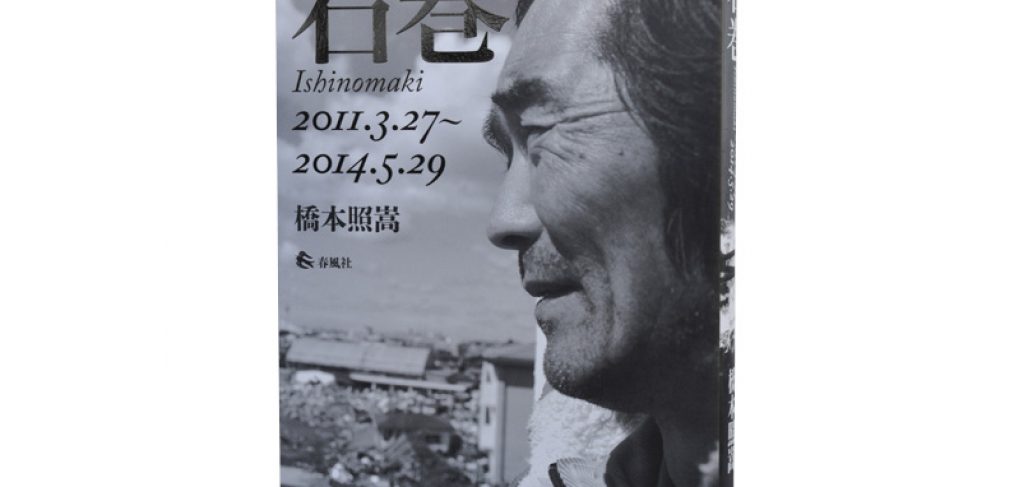
Ishinomaki 2011.3.27-2014.5.29

Ishinomaki 2011.3.27-2014.5.29

  • shoko HASIMOTO / 2014.9
  • JPY 4,500 / B5 extensional size, softcover, 220 pages
  • bookdesign: Jun KATSURAGAWA

“My hometown Ishinomaki became in serious trouble. I don’t know if my parents are safe.”
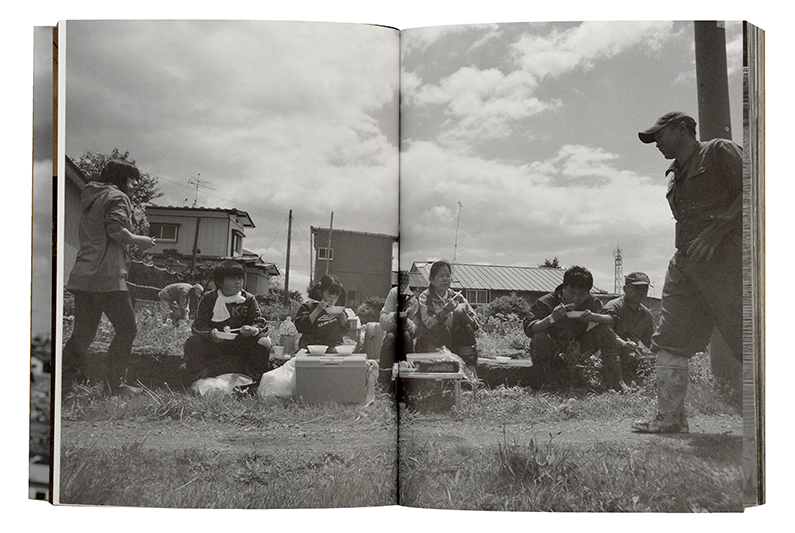
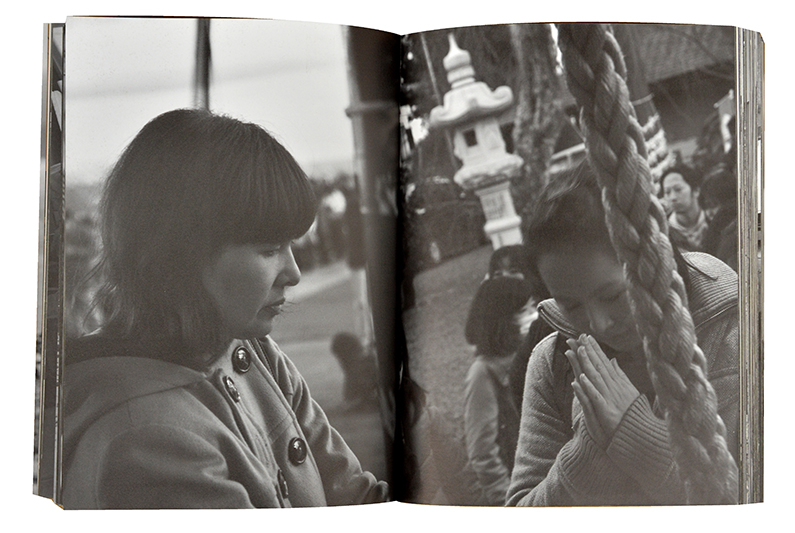
“I want to record in photos the activities of people who try to get back to their normal lives.” For 4 years after the disaster, he had continued to vigorously photograph his elderly brother’s family, schools, evacuation centers, temporary housings and other places. Memorable places that had been totally changed and faces of people who live there. This is a collection of photographs that continues to question what the disaster brought.

(ISBN 9784861104145)


Author

shoko HASIMOTO
Photographer. Born in Ishinomaki, Miyagi in 1939. Graduated from the Department of Photography in College of Art at Nihon University. He received the new face award of The Photographic Society of Japan for the photo collection “Goze”(Nora Publishing). He has photographed Ishinomaki’s landscape for 50 years and published “The Kitakami-gawa”(2005, Shumpusha Publishing). He is the author of the photo collection “Nishiyama Onsen” (Zen Foto Gallery, 2014). Recently he works in overseas such as France.

Order this book
 

Sekai Shashin Kikou: Utsukushii Shizen to Bunka wo Tazunete [Overseas and Domestic Edition]

Sekai Shashin Kikou

Utsukushii Shizen to Bunka wo Tazunete
[Overseas and Domestic Edition]

  • Koji SHIBUYA / 2014.8
  • JPY 3,500 / A4 extensional size, softcover, 256 pages
  • bookdesign: Tamon YAHAGI

480 color photos!

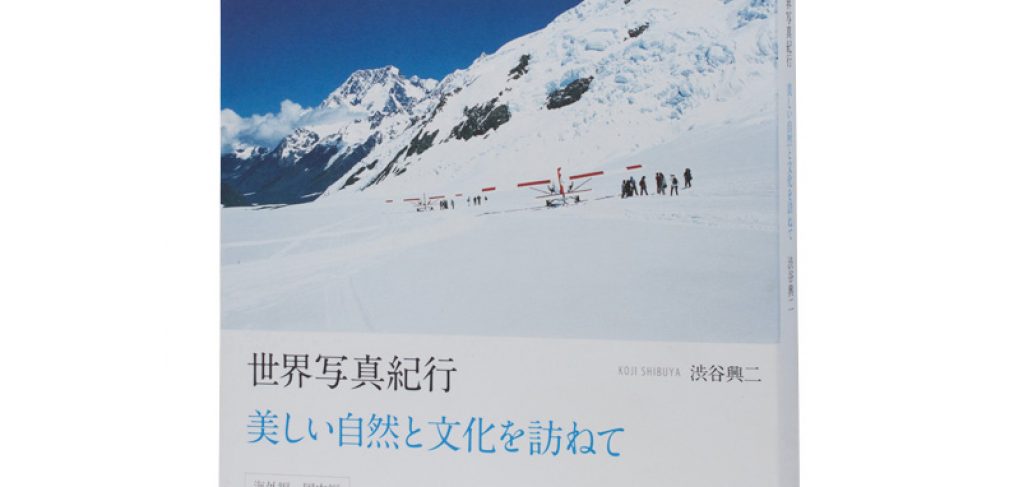
With the theme of “the harmony of beautiful nature and human culture”, Shibuya traveled to scenic spots in Japan and abroad to take photographs. He writes the episodes of photography and emotional experiences with the photographs(all in color) of each location.

(ISBN 9784861104091)

Table of contents

Greece
New zealand
Switzerland
Egypt
Cambodia
America
Peru
Africa
Easter Island & Galapagos Islands
etc., photography places and many others

Author

Koji SHIBUYA
Born in Niigata in 1939. Graduated from Shizuoka University School of Engineering and Electrical Engineering, joined NEC. After retirement, continue lecturer activities aimed at enlightening career development and motivated development. He makes photographic works as life works. His book is “Jyu-jitu! Value Up Life(Fulfilling! Value Up Life)”.

Order this book
 

The Roots Seekers: Shamanism and Ethnicity among the Mongol Buryats

The Roots Seekers

Shamanism and Ethnicity among the Mongol Buryats

  • Ippei SHIMAMURA / 2014.3
  • JPY 6,667 / A5 size, softcover, 578 pages
  • bookdesign: Toshinobu NAGATA

“Mr. Sherman” continues to explode in Mongolian frontier, Buryat. Why growth does not stop – the field survey revealed Buryat’s unique ethnicity and tragedy history …. Received the Fiscal 20th Regional Research Consortium (JCAS) Award Research Work Award “Growing Sherman” became the English version, and the design was renewed.
(ISBN 9784861103971)

Amazon POD version is Available now


Table of contents

INTRODUCTION: The Proliferation of Shamans
CHAPTER1: Religion and Ethnicity in the Post-Socialist Age
CHAPTER2: Shamanism as a Roots Cult
CHAPTER3: The Birth of Shamans and the Roots-seeking Movement
CHAPTER4: Created Roots
CHAPTER5: Feminized Roots: Tragic Memories of the Purge and the Cult of “Mother Khoimor”
CHAPTER6: Cross-Border Activities of Shamans and Complementary Misunderstanding

Author

Ippei SHIMAMURA
Born in 1969. Associate Professor of the Faculty of human culture at University of Shiga Prefecture, Japan. His major is cultural anthropology and the research of the Mongol. He completed the doctoral program at The Graduate University for Advanced Studies. He received the Japan Society for the Promotion of Science(JSPS) Prize in 2013.

Order this book
The Amazon Print-on-demand version of this book cannot be ordered from outside of Japan. For international orders, please contact us at info[at]shumpu.com.
*In your email, please include the book title, the number of copies you wish to purchase, and your shipping address.
*Please note that you will be responsible for the cost of the book(s) and shipping fees.

Essays on Dickens, Forster, Austen: A Japanese Reader’s Appreciation

Essays on Dickens, Forster, Austen

A Japanese Reader’s Appreciation

  • Eisuke FUJITA / 2013.12
  • JPY 3,000 / duodecimo, hardcover, 210 pages
  • bookdesign: Tamon YAHAGI, book-cover images: Yuko TAKENAMI

Dickens “David Copperfield”, Forster “A Passage to India”, Austin “Pride and Prejudice”, while also discussing British novels with classicality and contemporaryity, even with Dostoevsky and Zen. A consideration that the sensitivity and mentality of the Japanese live.
※This is a translated version of a previously published “Dickens, Forster, Austin – British novel living now(Dickens, Forster, Austin: Ima ni Ikiru Igirisu Shousetsu)” (Shumpusha Publishing 2008).
(ISBN 9784861103889)

Table of contents

PREFACE
CHAPTER ONE: A Mysterious Attraction and Liveliness: A Study of Several Characters in David Copperfield
CHAPTER TWO: Passion Underneath Modesty: A Reevaluation of Esther Summerson
CHAPTER THREE: A Passage to India: Western Mentality and India
CHAPTER FOUR: A Reading of Pride and Prejudice
CHAPTER FIVE: A Reading of Emma: Highbury ? A Village Both Realistic and Idyllic

Author

Eisuke FUJITA
Born in 1938. Professor of Emeritus at Dokkyo University. He received his M.A. degree from Tokyo University. Among his recent books are “The Japanese Translation of The Rise of the Novel by Ian Watt” (Tokyo: Nan’un-do Publishing, 1999), “Essays on Dickens, Forster, Austen”(Yokohama: Shumpusha Publishing, 2006), “The Japanese Translation of The Sacred Chain: The History of the Jews [by Norman F. Canter]”(Tokyo: Hosei University Press, 2005).

Order this book